The 2026 real estate cycle has shifted institutional allocators and high-net-worth investors away from speculative growth strategies and toward predictable, income-oriented positions. Mortgage rates remain elevated, while for-sale inventory stays constrained. In this environment, Build-to-Rent (BTR) has evolved from a niche alternative into an established segment of the housing market.
Headlines point to flattening rent growth and rising interest rates. A closer look at the data, though, shows why purpose-built BTR communities continue to offer a compelling risk-adjusted profile.
Stabilizing Fundamentals and Durable Demand
Evaluating BTR today means separating the rapid growth of recent years from the more sustainable normalization now underway.
Rents have found a steady level. According to the National Apartment Association (NAA), national BTR rents climbed from $2,121 in early 2023 to a peak of $2,227 in mid-2025, then leveled off at $2,207 in the first quarter of 2026. The operating focus is shifting from aggressive rent-growth assumptions toward occupancy stability and asset optimization.
Occupancy is holding. NAA’s Q1 2026 Apartment Market Pulse shows BTR occupancy up 0.8 percentage points year over year to 91.9%, signaling steady renter demand. BTR has longer tenant retention, whereas typical multifamily has a lower retention rate. NAA attributes the gap between stable demand and softer rent growth to affordability constraints, not weakening demand.
The homeownership gap is extending the renter lifecycle. The typical first-time homebuyer is now 40 years old, an all-time high, according to the National Association of Realtors’ 2025 Profile of Home Buyers and Sellers. First-time buyers also fell to a record-low 21% of the market. Many credit-qualified Millennial and Gen Z professionals are staying in the rental market longer as a result. These renters are looking for the space, privacy, and neighborhood setting of a detached home without the down payment or long-term commitment of a mortgage.
Supply Pipeline: A Healthy Contraction
Localized oversupply is a primary risk for any real estate allocator. Current data points to a moderating construction pipeline, which supports existing and near-term assets.
Higher financing costs, increased multifamily supply, and policy uncertainty slowed BTR construction in the first half of 2026, according to the National Association of Home Builders (NAHB). RealPage Market Analytics reports that developers expect the projects currently under construction to be completed through the first half of 2029. NAA notes that while deliveries remain elevated because of construction lag, the sharp drop in new starts suggests future supply may not keep pace if demand holds. For well-located communities already in operation or nearing completion, that points to a tighter competitive environment ahead.
BTR also remains a measured share of new residential construction. NAHB’s analysis of U.S. Census Bureau data puts BTR’s four-quarter average at just under 7% of new house starts, well above its 1992–2012 historical average of 2.7%. Arbor Realty Trust and Chandan Economics report a similar figure of 7.2% for the year ending in the fourth quarter of 2025, down from a 9.0% peak in the third quarter of 2024. The sector has established itself without the runaway construction pace that has pressured some urban multifamily markets.
Underwriting Considerations and Risk Management
BTR carries real barriers to entry. Land acquisition, entitlements, and infrastructure require significant upfront capital before the first home is leased.
To manage equity exposure and protect debt-service coverage ratios (DSCR), experienced developers often use a phased construction approach. Early phases can lease and generate income while later phases are still being built, which reduces net equity at risk during development.
The Takeaway for Investors
Market-wide rent inflation is no longer the core of the BTR thesis. In 2026, the case rests on a moderating supply pipeline, long-term renter demographics, and the efficiencies of professional management. For investors seeking a balance of stable cash flow and long-term asset value, BTR remains a well-positioned segment of the housing market.
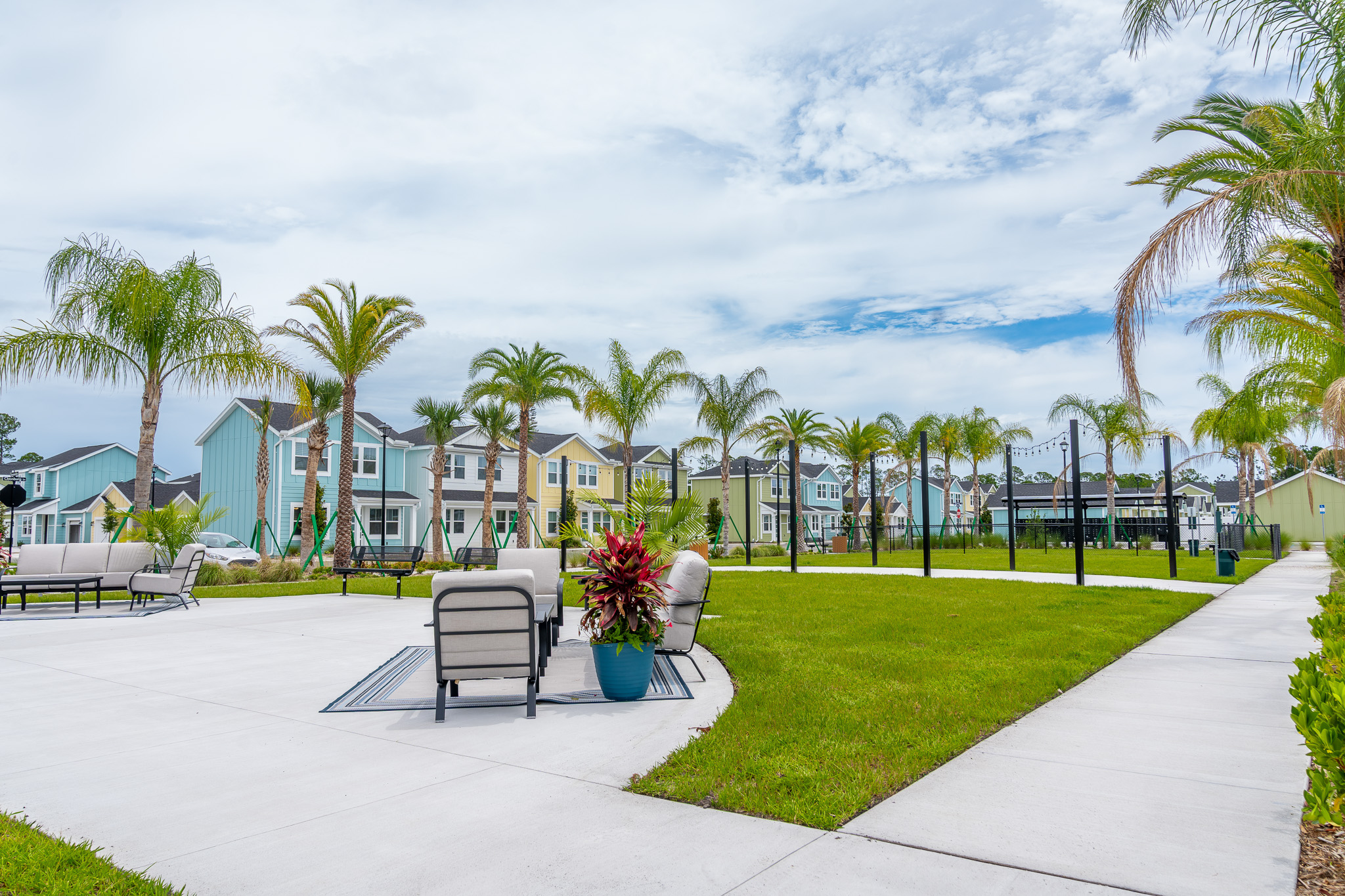
JLM Living develops upscale, cottage-style BTR communities in select Sunbelt and Southeast markets, pairing detached homes with a full amenity package. To learn more about current investment opportunities, contact the JLM Living team.
About JLM Living:
JLM Living is a real estate development company committed to creating high-quality, build-to-rent communities across the nation. By focusing on strategic locations and amenity-rich designs, JLM Living aims to provide outstanding living experiences for residents while securing attractive returns for investors.